
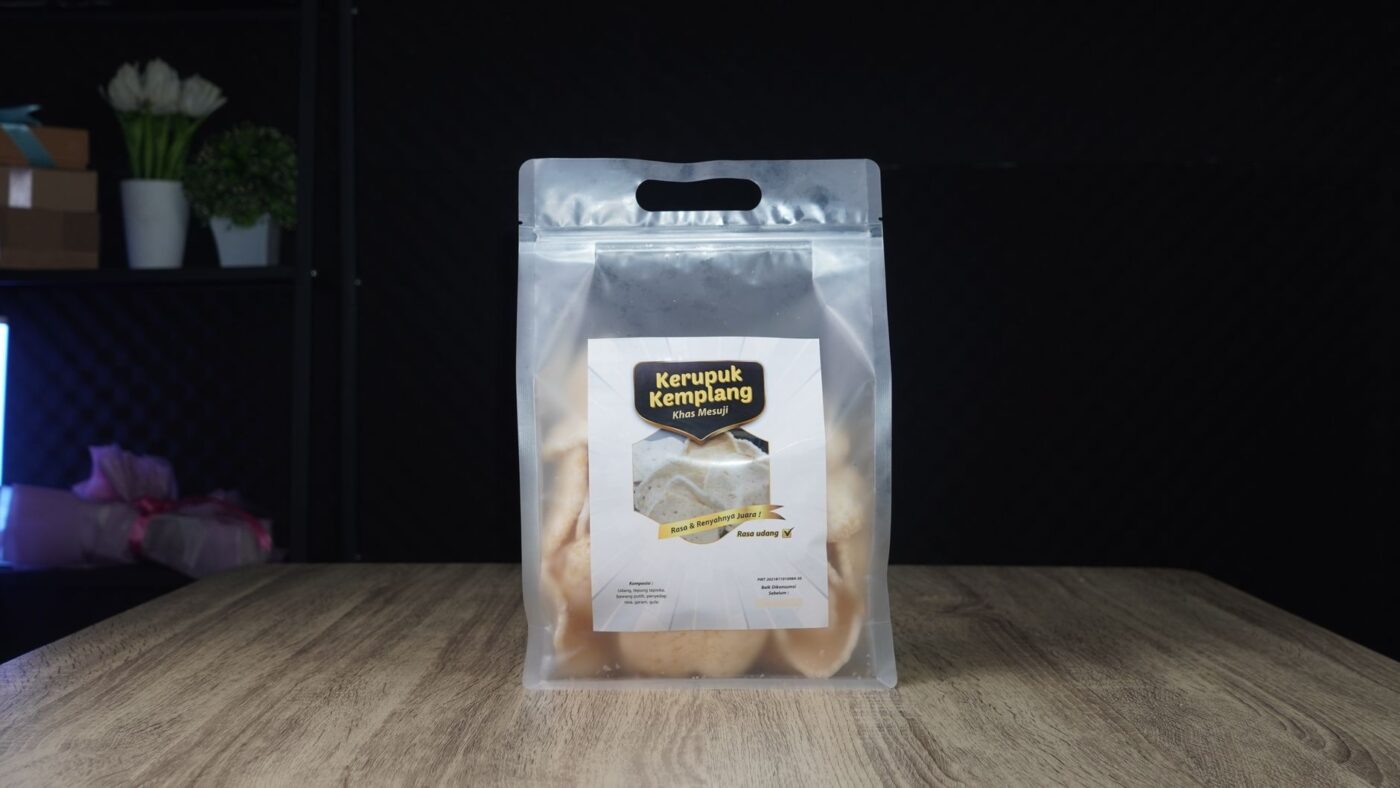
Your pickle tastes superb – and gets seized at a retailer’s gate for a missing veg logo, wrong font size, or no MRP declaration. Product label compliance in India rests on two regimes: FSSAI for food, and Legal Metrology (Packaged Commodities Rules) for declarations every packaged product must carry. This guide covers both in plain words, the declarations checklist, and where label design meets the printing press.
Our service: label and sticker printing – materials, sample packs, compliance-checked layouts. Deep dives: label materials, GS1 barcodes.
What must a food label carry under FSSAI?
Every pre-packaged food label needs: product name, veg or non-veg logo, FSSAI licence number with logo, complete ingredient list in descending order, nutritional information per 100 g, net quantity, MRP inclusive of taxes, manufacturing and best-before/use-by dates, lot or batch number, manufacturer name and address, and customer-care contact. Allergen declarations and claims (natural, organic, fortified) carry extra conditions. Design the label around these blocks first – artwork squeezed around compliance text fails both retail buyers and inspections.
What does Legal Metrology require on every pack?
The Legal Metrology (Packaged Commodities) Rules require on every packaged commodity: manufacturer/packer/importer name and address, net quantity in standard units, MRP inclusive of all taxes, month and year of manufacture or import, and customer-care details. Font-size minimums apply by pack area – declarations must be readable, contrasting and firmly affixed. Retail chains audit these declarations before your first listing; e-commerce platforms reject listings with mismatched MRP or quantity data.
What are the most common label rejections?
- Missing or wrong veg/non-veg logo size and placement.
- MRP without “inclusive of all taxes” or mismatched across platforms.
- Net quantity in non-standard units or unreadable font size.
- Missing FSSAI licence number on food packs or expired licence in records.
- Date format errors – best-before versus use-by confusion.
- Unsubstantiated claims (“100% natural”, health claims) without FSSAI conditions met.
Check all six on proofs before bulk printing – reprints cost more than reviews.
How do compliance and label printing connect?
Compliance decides content blocks and minimum sizes; material decides survival (oil, moisture, refrigeration – see material selector); barcodes decide retail acceptance (see GS1 basics). Send us your product, pack size and sales channel; we return a layout with declarations placed, material recommended and a sample pack to test on your actual jars. Contact us.
Who regulates what on a product label
A single pack can fall under several rules at once. The label has to satisfy all of them, not just the one your printer asks about.
| Authority or standard | What it covers | Typical label items |
|---|---|---|
| FSSAI | Food and food contact businesses | Licence number, veg/non-veg mark, ingredients, nutrition, allergens, dates, storage |
| Legal Metrology | Pre-packaged commodities sold by weight, measure or number | Net quantity, MRP, manufacturer or packer, month and year, consumer care |
| BIS | Products under mandatory certification or quality marking | ISI mark and licence details where the product is covered |
| GS1 India | Retail barcodes | GTIN, barcode symbol, pack-level identification |
| GST | Tax invoices and, in some cases, package markings | GSTIN on invoices, MRP inclusive of tax, batch and quantity records |
The exact requirement depends on the product, the pack size and the sales channel. A jar of pickle sold in a local store, a cosmetic bottle sold on a marketplace and a machine part sold B2B do not carry the same label. This guide covers the common ground; confirm your final artwork against the current rules for your category.
The food label, block by block
Design the compliance blocks before the brand artwork. If the logo and the story take the best space, the mandatory text gets squeezed into an unreadable strip.
Identity
- The common name of the food, not only an invented brand name.
- The veg or non-veg mark, in the prescribed size and colour, near the product name.
- The FSSAI licence number and logo.
Ingredients and allergens
- Complete ingredient list in descending order by weight or volume.
- Allergen declaration for the ingredients that require it, in the prescribed format.
- Additives named by their functional class and name where required.
Nutrition
- Nutritional information per 100 g or 100 ml, and per serving where a serving is declared.
- Energy, protein, carbohydrate, sugars, fat, saturated fat, trans fat, cholesterol and sodium, as applicable.
- Any nutrition or health claim must meet the conditions for that claim, not just sound good on the front.
Quantity and dates
- Net quantity in the standard unit for the product.
- Batch or lot number for traceability.
- Date of manufacture and best-before or use-by date, in a clear day/month/year format.
- Storage instructions and, where relevant, instructions for use.
Business details
- Name and address of the manufacturer, packer or marketer.
- Customer-care contact: phone, email or address that actually works.
- Country of origin for imported products.
Keep the same information in the same order on every pack size. A retail buyer comparing two SKUs should not have to hunt for the net quantity or the licence number.
The non-food label: what changes
Non-food packaged goods still need the Legal Metrology declarations: name and address of the manufacturer or packer, common name of the commodity, net quantity, MRP inclusive of all taxes, month and year of manufacture or packing, and consumer-care details. Imported packs add the importer’s details and country of origin.
Cosmetics, drugs and some consumer products have their own labelling rules on top of this. Do not assume a generic label is enough because the product is not food. Check the category before you print.
MRP, net quantity and the mistakes that stop a listing
These are the fields retail chains and marketplaces check first, because they affect billing and stock records.
- MRP: print the maximum retail price inclusive of all taxes. Do not print a price that changes by channel unless the pack is genuinely different.
- Net quantity: use the standard unit and the correct case. “500 g” is not the same as “500 ml” or “5 N”.
- Month and year: do not use a code only your factory understands. A retailer or inspector should be able to read it without a key.
- Consumer care: a phone number or email that reaches a person. A dead number is a finding.
- Font size and contrast: minimum sizes depend on the pack’s display area. If the text is not readable at arm’s length, it is not compliant in practice.
The most expensive mistake is a wrong MRP or net quantity on a full print run. Check the proof against the actual filled pack, not the design file alone.
Claims: the words that need evidence
Front-of-pack claims sell, but they also create obligations. “Natural”, “organic”, “no added sugar”, “fortified”, “immunity”, “premium” and “handmade” can each trigger a definition or a condition. A claim that cannot be supported by the formulation, the process or a certificate is a risk on every pack you print.
Keep a claim file with the evidence and the date it was checked. If the recipe or the supplier changes, review the claim again. Do not copy a competitor’s wording without checking what it means for your product.
Proofing checklist before the print run
- Product name and category match the licence and the invoice description.
- Veg or non-veg mark is the right size, colour and position.
- FSSAI licence number is current and printed correctly.
- Ingredient list is complete and in descending order.
- Allergens are declared in the required format.
- Nutrition values are per 100 g and per serving, with the units stated.
- Net quantity, MRP and date fields are readable and correct.
- Manufacturer or packer name, address and consumer care are current.
- Batch and date coding will be added at packing, not pre-printed wrong.
- Barcode scans at the correct size and matches the GTIN.
- Material and adhesive suit the product, the fill temperature and the storage conditions.
- One physical sample is applied to the real pack and checked by two people.
Print a short-run sample first. A label that looks right on a flat sheet can wrinkle on a curved jar, lift in a chiller or smear on an oily bottle.
Material, adhesion and legibility
Compliance text is only useful if it survives the journey. Paper labels suit dry, short-life packs. Vinyl and BOPP suit moisture, oil and longer shelf life. Transparent labels need a design that keeps the text readable over the product inside. Refrigerated and frozen packs need an adhesive rated for low temperatures.
Our label material guide compares the common options. If you are unsure, send us the actual container and the storage conditions, and we will test a small sample before the full run.
Barcodes, marketplaces and retail listings
A retail barcode is not part of the FSSAI declaration, but it is part of getting paid. GS1 India issues the GTIN, and the symbol has to be the right size and contrast for the scanner. Marketplaces also check the label image, the MRP and the net quantity against the listing.
If you sell on Amazon, Flipkart or a quick-commerce platform, read the listing requirements before the print run. A marketplace rejection after printing means a sticker over the old barcode or, worse, a full reprint. The GS1 barcode guide explains the basics.
Version control: the label you approve is the label you reprint
Keep a master artwork file with a version number, the date, the approval name and the changes from the previous version. When the recipe, the MRP, the licence or the address changes, update the master and retire the old file. Factories that print from an old PDF in a shared folder are one order away from a batch of wrong labels.
Ask your printer to keep the approved proof and the print settings. If a reprint is needed, the next run should match the approved pack, not a new interpretation of the design.
FAQs
Do I need FSSAI registration or a licence? It depends on your turnover, scale and activity. A small manufacturer may need a basic registration, a larger one a state or central licence. Confirm with an FSSAI consultant before printing the number.
Can I print the MRP as a sticker later? MRP can be overprinted or stickered in some cases, but the declaration must be firmly affixed and readable. Check the current rules and the retailer’s requirement before choosing that route.
Is a nutrition panel required on every food pack? Most pre-packaged foods need it, with exemptions for certain categories and small packs. Confirm the exemption for your product, not the pack you saw at a trade fair.
Can DeskBees check the label before printing? We check the layout, legibility, material and barcode placement, and we flag declarations that look incomplete. We are not a legal or FSSAI consultant, so the final compliance sign-off stays with your consultant.
How do we start? Send the product, pack size, sales channel and current artwork to WhatsApp +91 83285 42023 or use the contact page. We will recommend a material and a print quantity after seeing the pack.
Last updated: 20 September 2026. FSSAI and Legal Metrology rules amend periodically – verify current gazette requirements for your category before final artwork.