
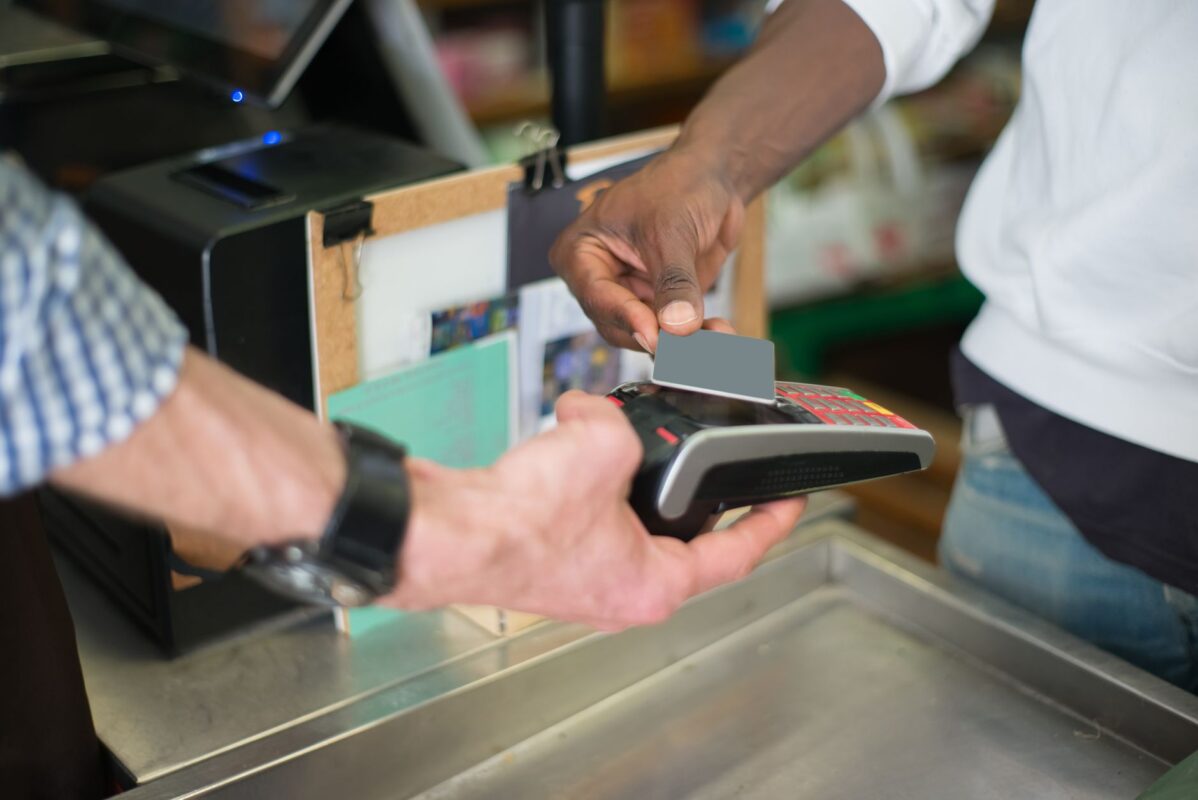
Paper cards get kept, lost, or photographed and forgotten. NFC digital cards update forever but need the other person’s phone to cooperate. The right answer for most teams is both – in the right ratio for each role. Here is the honest comparison: cost per contact, update economics, etiquette, and the rollout mix by team type.
Related: how NFC cards work, paper card specs. Product: digital business card.
Digital or paper business cards – which is right?
Paper wins the handshake moment: universal, tangible, works with zero technology and signals craft through stock and finish. Digital (NFC) wins everything after: contact saved in one tap, always-current details, catalogue and review links attached, zero reprints. Choose paper-first for roles meeting less-tech-savvy customers (site engineers, wholesale dealers, senior clientele); digital-first for networkers, sales teams and founders who meet dozens weekly. Default team answer: premium paper cards plus NFC cards for everyone customer-facing.
How do the costs compare?
Paper: 1,000 premium cards cost little per unit but reprint on every number, designation or branding change – job-changers reprint yearly. Digital: higher one-time per card with free lifetime profile edits – a transferring manager’s card updates in minutes, not dustbins. Break-even for mobile roles comes fast: count reprint cycles avoided plus contacts recovered that paper-fumbles lost (wrong numbers, lost cards). Teams with stable details and low meeting volumes stay paper-only happily; everyone else hybrids.
What is the etiquette for digital cards?
Offer, never insist: “Shall I tap my card to your phone, or would you prefer paper?” respects tech comfort across generations. At group meetings, tap the host and hand paper to the room. Keep paper as backup always – dead batteries and NFC-less phones exist in every audience. And whatever the medium, follow up within 24 hours; the card opens the door, the message walks through it.
How should teams roll out?
Phase one: founders and sales get both, with profiles built and test-tapped before a real meeting. Phase two: QR fallbacks printed on the paper cards link the same profiles – one system, two doors. Phase three: central profile management so leavers deactivate and joiners inherit in a day. Track saved-contact rates monthly; the metric that matters is meetings that became address-book entries, not cards distributed.
What “digital card” can mean
The phrase covers four different products. Decide which one you are buying before comparing prices.
| Type | How it is shared | Works without an app | Best for |
|---|---|---|---|
| NFC card | Tap on a phone | Yes, on most modern phones | In-person networking, events |
| QR profile card | Scan a printed code | Yes, with a camera | Paper cards, signage, email signatures |
| Wallet pass | Add to Apple or Google Wallet | Yes | Events, memberships, repeat contact |
| App-based card | Send a link from an app | Usually not | Teams already inside one ecosystem |
Most “NFC business cards” are an NFC tag plus a hosted profile page. The tag is cheap; the profile, hosting and updates are the product.
The cost model over three years
Paper is a consumable. A digital profile is closer to a subscription, even when the card is bought once.
| Cost line | Paper | NFC digital |
|---|---|---|
| First order | Low per card at volume | Higher per card, including the tag |
| Reprint on a detail change | Full reprint | Edit the profile, no reprint |
| New joiner | Order a batch | New card, or a reassigned profile |
| Leaver | Collect the cards | Deactivate the profile |
| Hosting and domain | None | Annual, even if small |
| Failure | Lost or damaged card | Dead battery, NFC off, unsupported phone |
Run the comparison with your real turnover. A team that changes designations twice a year will save more on reprints than a stable team that networks rarely.
Where each format fails
- NFC: the other person’s phone may have NFC switched off, a thick case, or a corporate profile that blocks tags.
- QR: the camera may be slow, the code may be small or glossy, and some users still do not think to scan.
- App: the other person will not install an app for one contact.
- Paper: it gets lost, left in a pocket, or photographed and never filed.
The fix is redundancy, not loyalty to one format. A paper card with a QR to the same profile covers both.
Etiquette scripts that work
- “May I tap my card to your phone, or would you prefer a paper one?”
- “I will send the profile now so you have my details before we part.”
- “The QR on the back opens my catalogue, if that is useful later.”
- “I will follow up by email tomorrow with the quotation we discussed.”
Never grab the other person’s phone. Offer, let them hold it, and keep the tap brief. At a group meeting, tap the host and hand paper to the room.
Rollout plan with owners
- Week one: pick the profile platform, the domain and the person who administers it.
- Week one: build the founder and sales profiles, with photo, links and a booking option.
- Week two: order paper cards with a QR to the same profile.
- Week two: test-tap on Android and iPhone, with and without a case.
- Week three: brief the team on the offer script and the follow-up rule.
- Month one: review saved contacts and meetings booked, not cards handed out.
- Ongoing: deactivate leavers the same day, and reassign numbers where possible.
Data ownership and privacy
- Who owns the profile, the domain and the contact data: the company or the individual? Put it in writing.
- Use a company-owned domain for profile links, so a leaver cannot take the audience.
- Keep the contact export in your CRM, not only in the card platform.
- Collect only what you need. A name, phone and email is usually enough.
- Give people a way to ask for deletion, and honour it.
- India’s Digital Personal Data Protection Act, 2023 applies. This is a practical summary, not legal advice.
Metrics that matter
- Contacts saved per meeting, not cards distributed.
- Follow-ups sent within 24 hours.
- Meetings booked from a card exchange.
- Profile views and link clicks, by person.
- Reprints avoided after a detail change.
- Dead profiles found in the quarterly audit.
Common mistakes
- Buying NFC cards before the profile content is ready.
- Using a free link shortener that expires or shows ads.
- One card per team, shared by everyone.
- No paper backup for a phone with NFC off.
- Leavers keeping live profiles with the company number.
- Measuring success by cards handed out rather than contacts saved.
FAQs
Can one NFC card hold the whole team? No – one card, one profile, one person. Shared desk cards confuse attribution; personal cards convert.
What happens when staff leave? Deactivate or reassign the profile centrally the same day – paper leftovers get collected at exit.
Where do we order the mix? Paper via stationery printing, digital via the shop product – or contact us for a team bundle with sample profile to try first.
Last updated: 20 September 2026.