
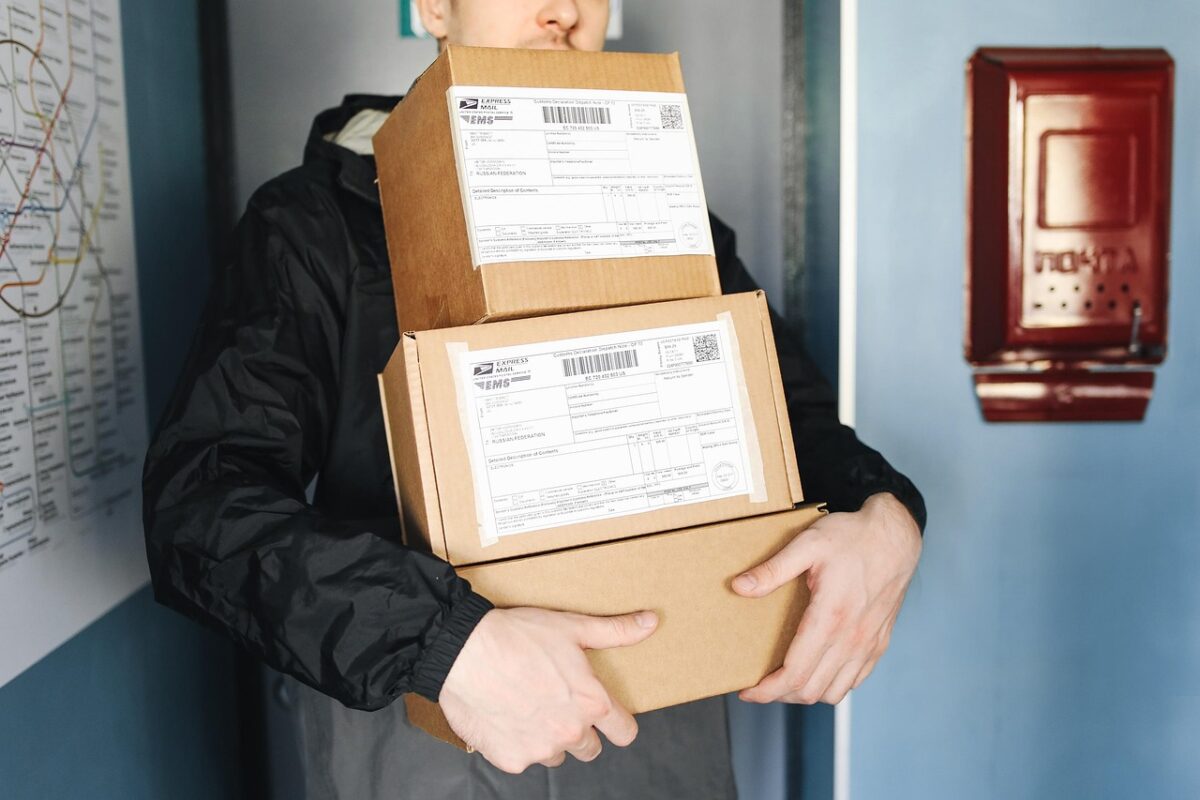
120 gifts, 4 offices, 60 home addresses, 3 wrong pincodes, 1 festival deadline. Multi-address gifting fails on list hygiene and packing discipline, not courier choice. Here is the system: list format, verification passes, pack-and-tag routine, courier booking strategy, tracking discipline and the exception list that saves the week.
Cluster: corporate gifting, Diwali 2026 guide, welcome kits.
How do I prepare the address list?
One master sheet with columns: serial, recipient name, phone, full address with landmark, pincode, city, gift tier, personalisation text, and remarks (remote, branch, VIP). Then two verification passes: automated (pincode-city match, phone digit count, duplicate detection) and human (branch SPOCs confirm their rows, HR confirms home addresses with a 48-hour correction window). Freeze the list 7 days before packing – late additions ship in wave two, never jammed into wave one. Bad addresses cause more failed festive deliveries than courier faults.
How should packing and dispatch run?
Pack per recipient with checklist tick-off (gift, personalisation verified, message card, box seal), tag each box with serial plus destination code, batch by courier zone for rate and tracking efficiency, and book festive-season pickups 5 to 7 days before needed-on dates. Photograph VIP boxes pre-seal (proof against damage claims), insure high-value tiers, and share tracking numbers proactively – recipients forgive delays they can see, not silence.
How do I handle failures and exceptions?
Maintain a live exception sheet: undelivered, damaged, refused, address-unknown – with owner and action per row reviewed daily in festive weeks. Keep 5 percent buffer stock packed unlabeled for rapid replacements. Publish one escalation number for recipients; route all queries there instead of five inboxes. Post-festival, reconcile delivered-versus-list within a week while memories and courier records are fresh.
The master sheet: columns that prevent failed deliveries
Start with one sheet, not one per office. Every row is one recipient, not one gift, so a person receiving two boxes appears twice with different serials.
| Column | What to capture | Why it matters |
|---|---|---|
| Serial | A running number, never reused | Matches the box tag and the courier manifest |
| Recipient | Full name as it should appear on the card | Prevents misspelled personalisation |
| Phone | Mobile number with country code | The courier calls before delivery |
| Address | Flat or plot, building, street, area | Postal addresses alone are often incomplete |
| Landmark | One line that a driver can find | Faster last-mile delivery in Indian cities |
| Pincode and city | Six digits, city, state | Serviceability and zone pricing |
| Gift tier | Standard, premium, leadership | Stops a tier mix-up at packing |
| Personalisation | Exact name or message text | Everything else is stock |
| Route code | Office code or home | Batch packing and courier booking |
| Status | Verified, packed, dispatched, delivered, exception | One place to see progress |
Keep the sheet in a shared file with edit history, not in five inboxes. Lock the columns and let people fill rows, or the format drifts by the second week.
Verification pass one: automated checks
Run these as filters before a human looks at the list. Most failed deliveries are visible here.
- Pincode and city do not match.
- Phone number shorter or longer than ten digits, or duplicated across recipients.
- Address missing a flat, building or street line.
- The same person listed twice with two serials and one address.
- Gift tier blank, or a leadership tier on a junior row.
- Personalisation text missing for a tier that includes it.
- Pincode outside the courier’s serviceable list.
Fix the sheet, then export a clean file for packing. Do not let the packing team work from the live sheet while it is still being edited.
Verification pass two: human confirmation
Split the rows by owner. Office addresses go to the branch or admin contact, home addresses to HR or the team lead, client addresses to the account manager. Give each owner a fixed window and ask for corrections only, not new additions.
- T minus 14 days: list opens, owners notified.
- T minus 10 days: first confirmation round, automated checks run.
- T minus 8 days: second round for rows with no reply.
- T minus 7 days: list frozen, packing quantities confirmed.
- T minus 5 days: kits assembled and personalised.
- T minus 3 days: courier bookings and pickup slots.
- T minus 1 day: manifest shared with the internal owner.
Late additions ship in wave two. Mixing them into wave one is how the wrong gift reaches the wrong desk.
The packing line
Packing is a production line, even in a small office. Give each station one job and one checker.
| Station | Task | Common miss |
|---|---|---|
| Kit assembly | Gift, box, filler, tissue | Missing an item when the tier changes mid-run |
| Personalisation | Match the engraved or printed name to the row | Two names swapped at the same desk |
| Card and seal | Message card, ribbon, seal | Card placed in the wrong tier |
| Tag and photo | Serial tag, photo for premium rows | No photo, so a damage claim cannot be proved |
| Courier bag | Address label, manifest entry | Label from the previous row left on the box |
Two people minimum: one packs, one checks. The packer should never be the checker. At 100 boxes or more, add a runner who keeps stock moving and a supervisor who owns the exception sheet.
Courier strategy by destination
| Destination | Approach | Watch out for |
|---|---|---|
| Same city, 20 or more boxes | One dedicated vehicle and a delivery person | Building access rules and lunch-hour absence |
| Metro cities | Bulk booking with one courier, zone-wise | Cut-off dates in festive weeks |
| Tier two and three cities | Reputed surface or air service, tracked | Longer transit, so book earlier |
| Remote pincodes | Check serviceability before packing | Return-to-origin charges and delays |
| International | Quote duty and documentation first | Customs holds and prohibited items |
Book festive pickups five to seven days before the needed-on date. A courier that collects on time is worth more than a slightly lower rate.
The exception sheet
One row per problem, with an owner and a next action. Review it at the same time every day during the festive fortnight.
| Column | Entry |
|---|---|
| Serial | Matches the master sheet |
| Recipient and phone | For the follow-up call |
| Courier and AWB | The tracking reference |
| Status | Undelivered, refused, damaged, address unknown |
| Last scan | Date and location |
| Action | Reattempt, call, replace, refund, close |
| Owner | One name, not a team |
| Closed on | Date the fix was confirmed |
Keep a small buffer of packed but unlabelled kits for replacements. Five percent is a reasonable starting point, and the buffer is cheaper than an emergency courier run in the last week.
What goes wrong in multi-address gifting
- Home addresses collected in a hurry, with no landmark and a generic pincode.
- One master sheet per office, merged too late to catch duplicates.
- Personalisation names pulled from the HR system rather than the confirmed list.
- A courier booked before the list is frozen, so labels are printed twice.
- No single escalation number, so recipients call five people and none of them own the answer.
- No reconciliation after the festival, so nobody knows how many boxes were actually delivered.
Reconcile delivered against the master list within a week, while courier records are still easy to trace.
FAQs
Homes or offices for hybrid teams? Ask once via a 2-field form (deliver home or office, confirm address) – assumptions split deliveries wrong in both directions.
Can DeskBees run the whole dispatch? Yes – list management, packing, courier booking, tracking and exception handling from our Hyderabad base. Contact us with headcount and cities for a festive quote.
Last updated: 20 September 2026.